Concussion Awareness Training Tool For IPV Responders

The Concussion Awareness Training Tool (CATT) is a program designed to provide people who interact with survivors of intimate partner violence (IPV) as part of their work the information they need to take an evidence-based approach in responding to and managing concussion and other brain injury.

45 Minutes

Learn at your own pace and save your progress

5 Learning Checks

Test your knowledge

Shareable
Certificate

Upon program completion
About CATT for Interacting with Survivors of IPV
The Concussion Awareness Training Tool, also known as CATT, provides people who interact with survivors of intimate partner violence as part of their work the information they need to take an evidence-based approach in responding to and managing concussion and other brain injury. CATT is based upon the best available evidence and research, including interviews with survivors of intimate partner violence, and surveys and interviews with staff at a variety of service provider organizations.

Learning Objectives
This program was developed to help you:
  • Understand concussions and how they occur.
  • Understand brain injuries from strangulation and suffocation.
  • Understand the signs and symptoms of a concussion or other brain injury.
  • Support survivors of intimate partner violence in managing a concussion or other brain injury.
  • Educate those at risk of concussion or other brain injury from intimate partner violence.

How Additional Certificates Work in the IPV Responders Course
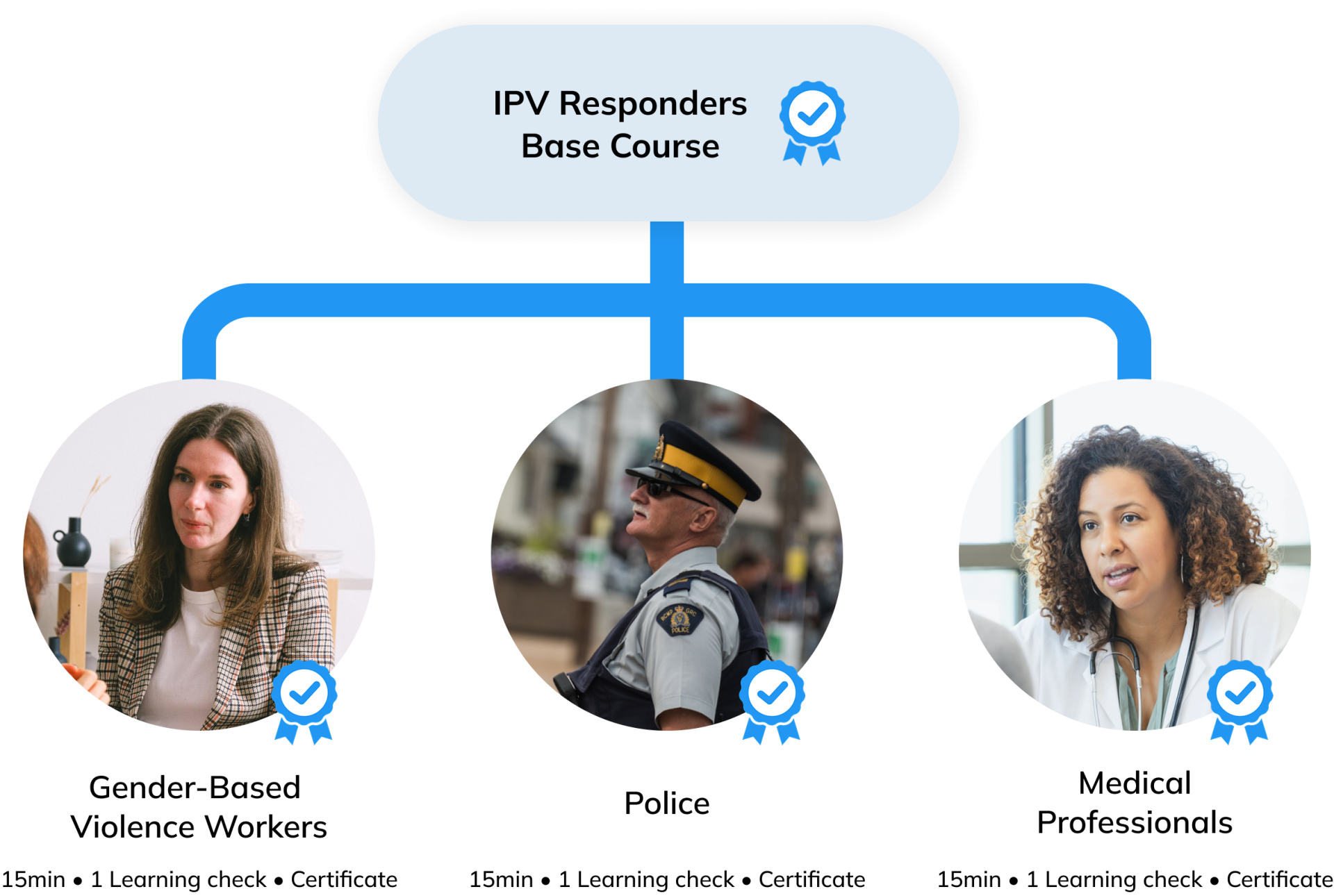
The training begins with a Base Course created for all IPV Responders. After completing the Base Course, learners may continue into one of three role-specific courses tailored to their professional context: Gender-Based Violence Workers, Police and Child Protection Workers, and Medical Professionals. Upon successful completion of the Base Course, participants will receive an IPV Responder certificate. Those who complete an additional role-specific course will receive an additional certificate aligned with their professional role.
  • This course includes graphic information on what can occur in intimate partner violence and abuse, and may trigger strong emotions in some participants. Please pay attention to how you are feeling as you move through the content. Take breaks and seek support, if you need to.

    If you are in immediate danger, call 911 or seek available emergency services where you live. If you need a safe place to stay, check out the sheltersafe.ca interactive map of shelters across Canada.