
Spotlight: BC Consensus on Brain Injury, Mental Health, and Addictions
Recovery and management of an acquired brain injury (ABI) can be complicated if mental health and/or substance use challenges are present. A group of researchers gathered together to come up with evidence-based recommendations, improve education and training for service providers, and address barriers to accessing services.
The BC Consensus on Brain Injury, Mental Health, and Addictions was a three-year research initiative co-led by Ms. Janelle Breese Biagioni (CGB Centre for Traumatic Life Losses), Dr. Julia Schmidt (University of British Columbia), and Drs. Erica Woodin and Mauricio Garcia-Barrera (University of Victoria). Dr. Garcia-Barrera recently collaborated with Dr. Shelina Babul to educate medical professionals in Colombia on concussion diagnosis and management.
The BC Consensus on Brain Injury used a Participatory Action Research approach to gather diverse perspectives from knowledge holders to identify priorities and solutions for those experiencing these health concerns. Those present included ABI survivors, health care professionals, government representatives, front-line workers, family members, and researchers. Equity-deserving groups such as Indigenous peoples and 2SLGBTQIA+ community members were intentionally included, given their disproportionate exposure to ABI, mental health and substance use challenges, intimate partner violence, and homelessness due to systemic inequities.
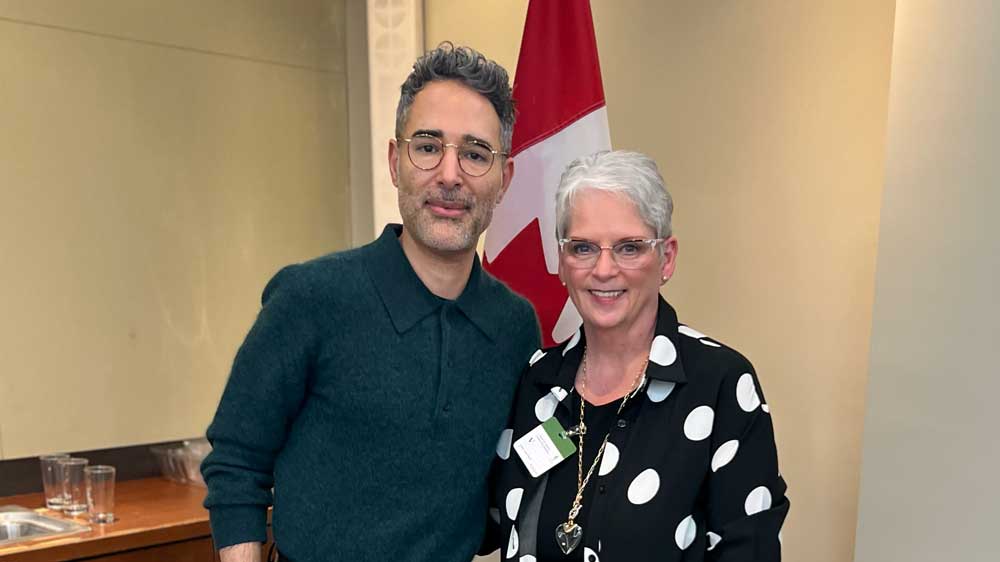
Dr. Mauricio Garcia-Barrera (left) and Ms. Janelle Breese Biagioni
Each year of the project focused on specific themes:
-
Year 1: Overdose survival
-
Year 2: Intimate partner violence
-
Year 3: Housing and homelessness
Across all three years, key barriers identified included stigma, siloed service systems, inconsistent funding, lack of standardized ABI screening, narrow program eligibility criteria, and insufficient housing support. Effective approaches highlighted included trauma-informed care, integrated service models, peer support, and involving people with lived experience in shaping policy. The project concluded with a multi-level framework outlining coordinated, stakeholder-driven priorities across immediate, medium, and long-term timelines.
The project has informed BC's Gender-Based Violence Action Plan and supported the case for a National Strategy on Brain Injury (Bill C-206), which is currently making its way through Parliament.
The project was an initiative of the CGB Centre for Traumatic Life Losses and generously funded by the Ministry of Mental Health and Addictions and Vancouver Foundation. Next steps include exploring ways to address these topics in rural/remote areas, with a focus on Indigenous communities.
Read the final report from the BC Consensus on Brain Injury.
Learn more at bcconsensusonbraininjury.com.
Read the final report from the BC Consensus on Brain Injury.
Learn more at bcconsensusonbraininjury.com.
Interesting Reading
- Brain injury and homelessness (article in The Conversation)
- Brain injury and survivors of the toxic drug crisis (article in The Conversation)
- Interact with an evidence map that organizes and visualizes interventional research on brain injury, mental health, and substance use
-
Researchers are currently undertaking a project to gain insights into stakeholders’ priorities concerning non-fatal overdose-related hypoxic brain injury, funded by Michael Smith Health Research BC. Take the survey
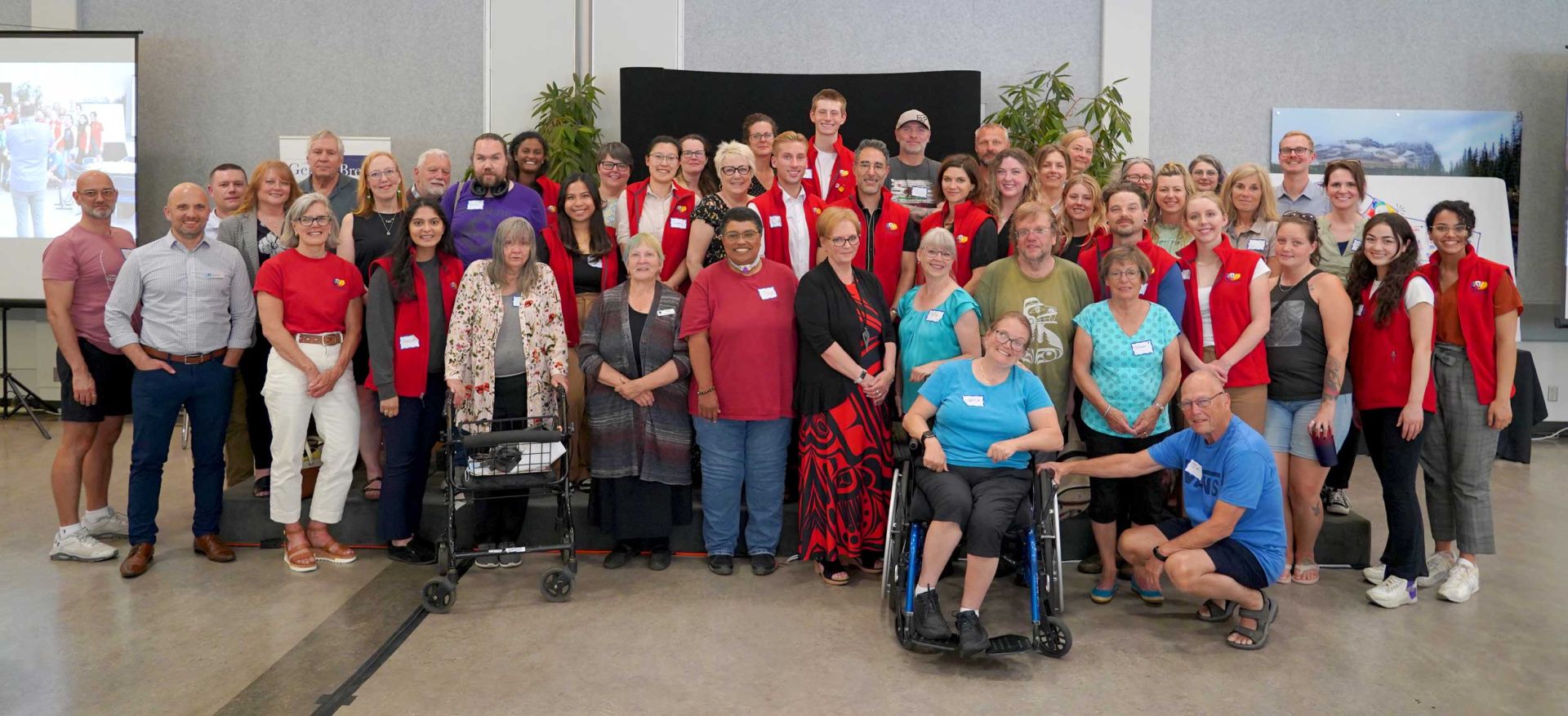
Group photo of those who participated in the BC Consensus on Brain Injury.

The Concussion Awareness Training Tool (CATT) is a series of online educational modules and resources addressing concussion recognition, diagnosis, treatment, and management. Good concussion management is pivotal to minimizing the risk of brain damage and may reduce long-term health consequences.
CATT is a product of the BC Injury Research and Prevention Unit, located on the unceded land of the Coast Salish peoples, including the Sḵwx̱wú7mesh (Squamish), Stó:lō and Səl̓ílwətaʔ/Selilwitulh (Tsleil-Waututh) and xʷməθkʷəy̓əm (Musqueam) Nations.
Courses
Medical Professionals
Coaches & Officials
Parents & Caregivers
School Professionals
Youth
Athletes
Workers & Workplaces
Intimate Partner Violence Responders
BCIRPU Office
F508 – 4480 Oak St.
Vancouver BC V6H 3V4
Canada
concussion@bcchr.ca
concussion@bcchr.ca
Developed in collaboration with





© 2026 BCIRPU. All rights reserved | Terms and Conditions